
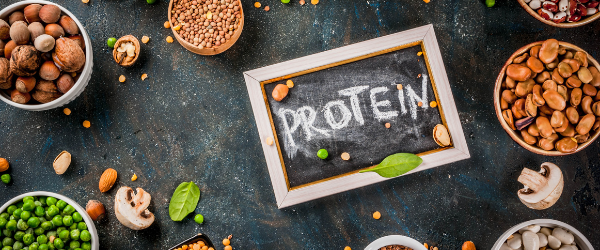
The thermic effect of food (TEF) is the energy your body uses to digest, absorb, and metabolise what you eat, accounting for roughly 10% of daily calorie expenditure. Protein has the highest thermic effect at 20-30%, followed by carbohydrates at 5-15%, and fats at 0-5%. Choosing higher-protein and whole-grain foods can meaningfully increase the calories you burn through digestion alone.
Key Takeaways
- TEF accounts for approximately 10% of your total daily calorie expenditure in a balanced diet
- Protein has the highest thermic effect at 20-30% — roughly a quarter of protein calories are used for digestion
- Carbohydrates have a TEF of 5-15%, with high-fibre complex carbs at the higher end of the range
- Dietary fats have the lowest thermic effect at 0-5%, making them the easiest macronutrient to store as body fat
- Swapping refined grains for whole grains can increase daily metabolism — one study found a boost of over 90 calories per day
Did you know, you can burn more calories just by eating certain foods? In the same way that a high intensity workout (HIIT) burns more calories after exercise compared to steady-state cardio, some food types can have an increased afterburn too, because of the energy it takes for your body to break it down.
This is called the thermic effect of food, with certain food types increasing metabolic rate after ingestion. In this blog, we explain how eating more metabolism-boosting foods with a higher thermic effect can help fast-track your health and fitness goals.
What is the thermic effect of food?
The thermic effect of food (TEF) is the amount of energy it takes for your body to digest, absorb, and metabolise the food you eat.
TEF makes up a part of your daily calorie expenditure (calories out), and usually represents about 10% of the caloric intake of healthy adults eating a mixed and balanced diet. So for example, if you expend 2000 calories in a day, around 200 of those will be burned just from eating food.
Certain food types such as protein and complex carbs have a higher thermic effect than fats or simple carbs because your body has to work harder to break it down, thus spending more energy and burning more calories.
Varying factors affect TEF, primarily the portion size of your meal and its macronutrient composition – protein, carbohydrates and fats – along with your age.
Understanding the thermic effect of food and how it impacts your metabolism is just the first step towards achieving your health and fitness goals. At Revolution, we go above and beyond industry standard Personal Training. We provide comprehensive nutritional guidance tailored to your unique needs and goals. Curious about how your diet can fuel your body more effectively? Why not take the first step towards a healthier, fitter you? Sign up for a free taster session today. You’ll get a taste of our high-intensity workouts and receive personalized nutritional advice that will help you maximize the thermic effect of your diet. Remember, the right nutrition is just as important as the right exercise. Let us guide you on your journey to optimal health and fitness.
How do macronutrients alter the thermic effect of food?
The energy required to digest each macronutrient (its TEF) is measured as a percentage of the energy provided by it.
- Fat provides 9 calories per gram. Its TEF is 0-5%
- Carbohydrate provides 4 calories per gram. Its TEF is 5-15%
- Protein provides 4 calories per gram. Its TEF is 20-30%
So that means protein tops the charts as the most thermic macronutrient, with approximately 25-30% of the calories you consume from protein being used for digestion and metabolism.
This is why a high protein diet has a metabolic advantage over normal or low protein diets with the same amount of total calories and has been proven to keep you fuller for longer.
Top tip: If you find yourself hungry soon after breakfast try swapping your cereal for protein-rich eggs and oily fish to fire up your metabolism and keep your blood sugar on a level to avoid the mid-morning crash.
Carbohydrates are the next most thermic macronutrient, with a TEF of 5-15% depending on the carb source. There’s a reason we recommend complex carbs on our nutrition plans to give you sustained energy for your personal training sessions and throughout the day.
High fibre carbs digest more slowly and have a higher thermic response, packing in more nutrients and vitamins along the way.
Choosing wholegrain rice, pasta and bread over refined white variations where the vitamin-rich bran and germ are removed will keep you fuller for longer by reducing blood sugar spikes (and the hunger pang / energy crash that follows them) after meals.
A 2017 study found participants increased their metabolism by more than 92 calories per day just by substituting refined grains for whole grains. Just sayin’!
Top tip: Swap your baked white potato with beans and cheese for a sweet one topped with tuna for an energising lunch that doesn’t bring the 3pm slump.
Dietary fats have the lowest thermic effect at approximately 5-10% and are the simplest to digest. That doesn’t mean you shouldn’t include fats in your diet – it’s just a case of choosing the right ones.
Fats play a vital role in maintaining healthy skin, hair and nails, protecting vital organs against shock and helping maintain body temperature. They can also be used as an energy source, and slow down the body’s insulin response to high sugar foods.
Good sources of fat to include in your diet are avocado, salmon, nuts, egg yolks and pumpkin seeds.
Top tip: Swap vegetable cooking oil with olive or coconut oil for a healthier fat alternative.
Read more about the different macronutrients and why they’re important on our blog, and see 5 easy everyday swaps you can do today.
Why is the thermic effect of food so important?
If you’re looking to lose body fat or build muscle it’s important to understand the thermic effects of protein and other food groups and how they work to fuel your body.
When we overeat we’re least likely to store excess calories from protein due to the higher thermic effect, followed by carbohydrates, and lastly dietary fats. This is another reason why protein is incredibly important in weight regulation. Try to hit at least 1.8g of protein per kg of body weight, as part of a balanced diet with plenty of whole foods and vegetables to help you reach your goals.
Don’t fall into the quick fix trap!
Trying low carb or low fat diets for weight loss may be tempting, but cutting or restricting food groups in this way just isn’t sustainable and won’t work in the long term.
Your body compensates for the calorie deficit by slowing down your metabolism and clinging on to each and every calorie you put into it, storing as fat.
So the trick is to put yourself in a *healthy* and balanced calorie deficit for longterm sustainable results. Including more protein-rich foods (at the right time) with a higher thermic effect (i.e. lean meat, fish, eggs and legumes) will keep your body working hard so you can bask in the afterburn long into your day.
Frequently Asked Questions
What is the thermic effect of food?
The thermic effect of food (TEF) is the amount of energy your body uses to digest, absorb, and metabolise the food you eat. It represents about 10% of your total daily calorie expenditure when eating a balanced, mixed diet.
Which macronutrient has the highest thermic effect?
Protein has the highest thermic effect at 20-30%, meaning roughly a quarter of the calories from protein are burned during digestion. Carbohydrates follow at 5-15%, and fats have the lowest thermic effect at 0-5%.
Can you burn more calories by eating certain foods?
Yes. Foods with higher thermic effects — particularly protein-rich foods and high-fibre complex carbohydrates — require more energy to digest. Choosing whole grains over refined grains and increasing protein intake can meaningfully raise the number of calories your body burns through digestion.
How much protein should I eat to maximise TEF?
Aim for at least 1.8g of protein per kg of bodyweight as part of a balanced diet. Distributing protein across all meals maximises the thermic effect throughout the day and helps with satiety and muscle preservation.
Do whole grains really boost metabolism?
Research suggests swapping refined grains for whole grains can increase daily metabolic rate. One 2017 study found participants increased their metabolism by over 92 calories per day simply by substituting whole grains for refined versions.
Does the thermic effect of food help with weight loss?
TEF is one component of your total daily energy expenditure. While it alone will not cause dramatic weight loss, choosing foods with higher thermic effects — especially protein — supports a modest increase in calorie burn and greater satiety, both of which help sustain a calorie deficit.
Sources & References
- ACSM Position Stand — Nutrition and Athletic Performance — American College of Sports Medicine guidelines on macronutrient requirements, including protein’s role in metabolism and energy expenditure.
- NHS — Eat Well: The Eatwell Guide — National Health Service dietary guidance on macronutrient balance, whole grains, and protein-rich foods for a healthy diet.
- WHO — Healthy Diet Fact Sheet — World Health Organization recommendations on macronutrient composition, whole grain intake, and dietary fat consumption for health.
- BJSM — Dietary Protein for Muscle and Health — British Journal of Sports Medicine review of protein’s thermic effect, satiety benefits, and role in body composition management.